
TMS QLD Health: Understanding Modern Mental Health Treatment Through TMS Therapy

Mental health conditions such as depression, anxiety, and treatment-resistant depression affect thousands of Australians every year. As awareness of innovative treatment options continues to grow, many people are searching for information about TMS QLD Health services and how TMS therapy can support their recovery journey. In Queensland, Transcranial Magnetic Stimulation has emerged as a promising non-invasive treatment option for individuals who have not experienced adequate results from traditional therapies.
At AMPA Health and TMS Hubb, patient-centered care focuses on providing evidence-based mental health treatments that can help improve quality of life while minimizing the side effects often associated with medication-based approaches.
What Is TMS Therapy?
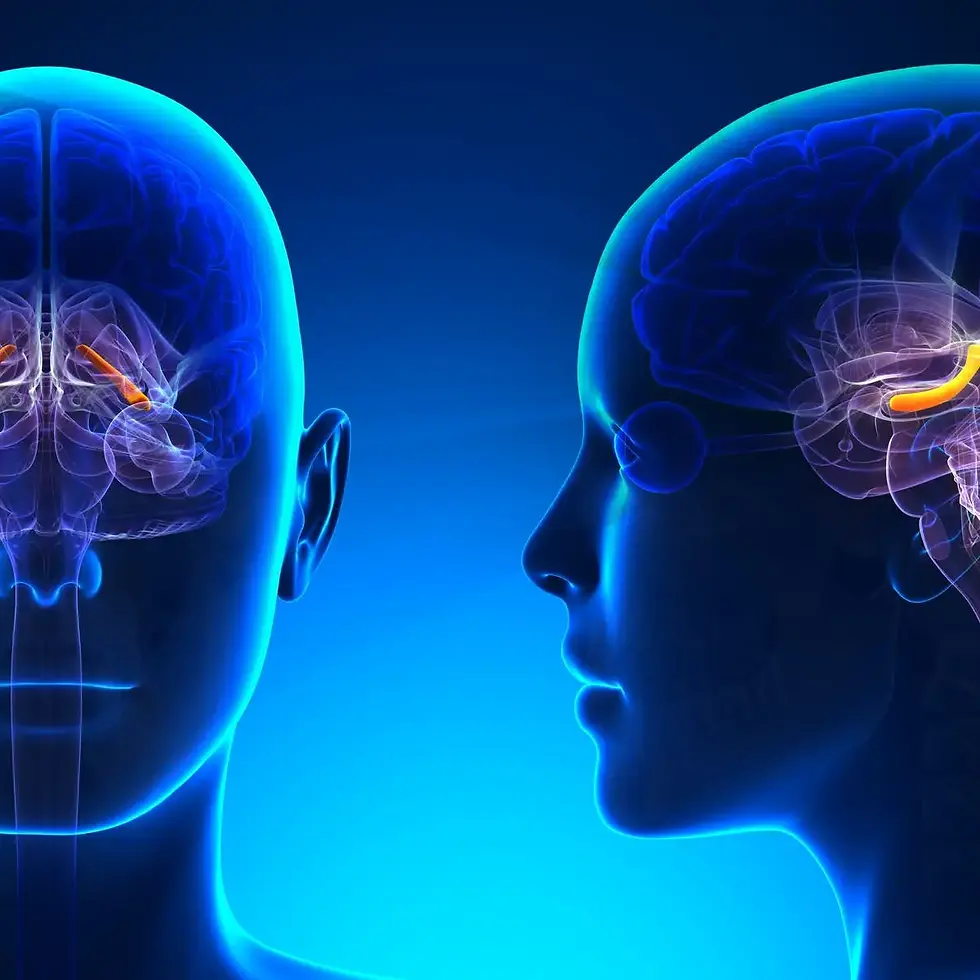
TMS therapie, also known as Transcranial Magnetic Stimulation, is a non-invasive treatment that uses magnetic pulses to stimulate specific areas of the brain associated with mood regulation and mental health. Unlike medication, which affects the entire body, TMS therapy directly targets the brain circuits involved in conditions such as depression and anxiety.
The treatment is performed in an outpatient setting, allowing patients to return to their normal daily activities immediately after each session. There is no need for anesthesia, hospitalization, or lengthy recovery periods. Research has shown that TMS can help stimulate neuroplasticity, the brain's ability to form new neural connections and improve overall functioning.
Why TMS QLD Health Services Are Gaining Attention
Queensland has seen increasing interest in TMS therapy due to its effectiveness for individuals experiencing treatment-resistant depression. Many patients seek alternatives after trying multiple antidepressant medications without achieving satisfactory results. TMS offers a different approach by targeting the underlying neural pathways associated with mental health conditions.
The growing demand for TMS QLD Health services is also driven by several benefits:
Non-invasive treatment approach
No requirement for sedation or anesthesia
Minimal side effects compared to many medications
Ability to continue regular daily activities
Medicare-supported treatment pathways for eligible patients
Evidence-based clinical outcomes for treatment-resistant depression

Conditions That May Benefit from TMS Therapy
While TMS is most widely recognized for treating depression, ongoing research and clinical practice have expanded its potential applications. Conditions commonly addressed through TMS therapy include:
Depression and Treatment-Resistant Depression
Depression remains the primary condition treated through TMS. Patients who have not responded adequately to antidepressants may find relief through repeated magnetic stimulation sessions that target mood-regulating brain regions.
Anxiety Disorders
Many individuals experiencing generalized anxiety symptoms may benefit from TMS treatment protocols designed to regulate overactive brain circuits associated with anxiety.
Obsessive-Compulsive Disorder (OCD)
Clinical evidence continues to support the use of TMS as an adjunctive treatment option for OCD, particularly when conventional therapies have not delivered optimal outcomes.
PTSD and Trauma-Related Conditions
Researchers are actively exploring the role of TMS therapy in supporting individuals affected by post-traumatic stress disorder and related trauma conditions.
Understanding the Transcranial Magnetic Stimulation Controversy
Like many emerging medical treatments, there has been discussion surrounding the transcranial magnetic stimulation controversy. Some concerns stem from questions regarding long-term effectiveness, patient eligibility, and the need for maintenance treatments in certain cases.
Critics often point to variations in patient outcomes, noting that not every individual responds identically to treatment. However, mental health professionals emphasize that treatment response can vary across all therapeutic approaches, including medications and psychotherapy.
Another aspect of the controversy relates to expectations. Some patients may require maintenance sessions to sustain improvements over time, while others experience long-lasting benefits after completing an initial treatment course. Ongoing clinical research continues to refine treatment protocols and identify the patients most likely to benefit from TMS therapy.
Importantly, TMS remains a government-recognized and clinically supported treatment option for treatment-resistant depression in Australia.
What Happens During a TMS Therapy Session?
A typical TMS therapy session is straightforward and comfortable. During treatment, a magnetic coil is positioned near the scalp to deliver targeted magnetic pulses to specific brain regions. Patients remain awake and alert throughout the procedure.
Most sessions last only a short period, and individuals can drive, work, or continue with daily responsibilities immediately afterward. Common side effects are generally mild and may include temporary scalp discomfort or headaches. Serious complications are rare when treatment is delivered by qualified professionals.
The Role of TMS Hubb in Queensland Mental Health Care
TMS Hubb has become a recognized provider of TMS therapy services in Queensland, offering accessible treatment options for individuals seeking alternatives to traditional mental health interventions. The clinic focuses on evidence-based care and provides treatment pathways for eligible patients under Medicare-supported programs.
Patients benefit from specialist assessments, individualized treatment plans, and ongoing support throughout their recovery journey. The goal is to provide a professional, supportive environment where individuals can explore innovative mental health solutions with confidence.
Why AMPA Health Supports Innovative Mental Health Solutions
At AMPA Health, the focus is on helping individuals access advanced, evidence-based mental health treatments that align with their unique needs. As awareness of TMS QLD Health services continues to expand, more Australians are discovering how modern technologies can complement traditional approaches to mental wellness.
Whether someone is exploring rTMS therapie options for treatment-resistant depression or seeking information about the broader benefits of TMS therapie, understanding available treatments is an important step toward informed healthcare decisions.
Final Thoughts
The increasing adoption of TMS QLD Health services reflects a broader shift toward innovative and personalized mental health care. For individuals who have struggled to find relief through medication alone, TMS therapy offers a scientifically supported alternative that directly targets the brain networks involved in mental health conditions.
While discussions surrounding the transcranial magnetic stimulation controversy continue to encourage ongoing research and clinical evaluation, the growing body of evidence supports the role of TMS as a valuable treatment option for many Australians. Through organizations such as AMPA Health and TMS Hubb, patients in Queensland can access professional care and explore a treatment pathway designed to support long-term mental wellbeing.

Comments