
TMS for PTSD: A Fresh Approach to Healing in Queensland

Introduction: Looking Beyond Traditional PTSD Treatment
Living with post-traumatic stress disorder can feel like being stuck on repeat — intrusive memories, heightened anxiety, and a nervous system that won't switch off. While therapy and medication remain important tools, many people are now exploring TMS PTSD treatment as an additional, non-invasive option. This post breaks down what it is, how it works, and what's available through Queensland TMS providers.
What Is TMS and How Does It Help with PTSD?
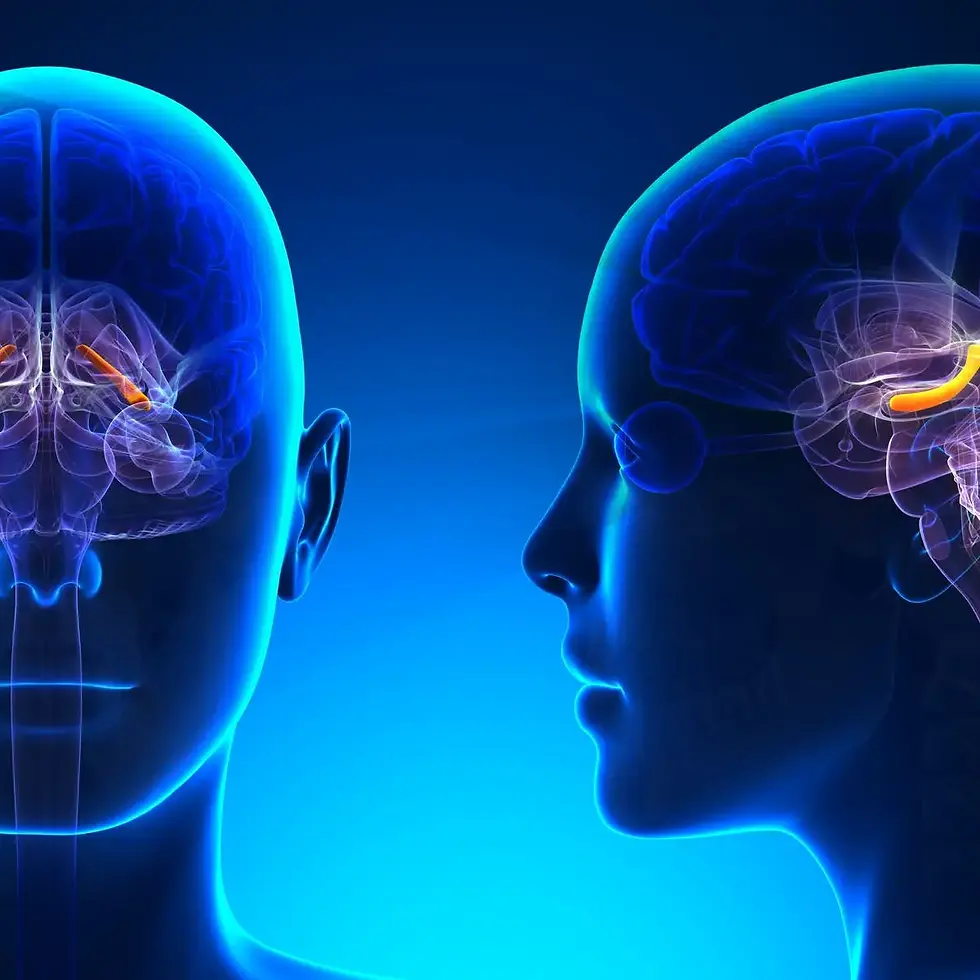
Transcranial magnetic stimulation (TMS) is a non-invasive treatment that uses magnetic pulses to stimulate specific regions of the brain. For PTSD, the focus is often on areas involved in fear response and emotional regulation, which can become overactive or dysregulated after trauma.
TMS therapy for PTSD works by delivering targeted magnetic pulses through a coil placed against the scalp. No anaesthesia or sedation is required, and patients are awake and alert throughout each session, able to drive themselves home afterward.
Why People Are Turning to TMS PTSD Treatment
There are several reasons TMS PTSD treatment has become a talking point in mental health circles:
Non-invasive — no surgery, no implants, no downtime
Well tolerated — most people experience only mild, temporary discomfort at the treatment site
Doesn't rely on medication alone — useful for people who haven't found sufficient relief through pharmaceuticals
Backed by growing research — clinical studies continue to explore its effectiveness for trauma-related symptoms
For many, TMS therapy for PTSD offers a way to address symptoms without adding another daily medication to the mix.
What TMS Therapy for PTSD Looks Like in Practice
If you're considering Queensland TMS providers, here's a general outline of what the treatment journey typically involves:
Initial consultation — a psychiatrist assesses your history and determines whether TMS is appropriate for your situation.
Mapping and calibration — the treatment area and stimulation intensity are carefully identified for your individual needs.
Course of sessions — treatment is usually delivered over several weeks, with each session lasting around 20 to 40 minutes.
Ongoing monitoring — your specialist tracks progress throughout the course and adjusts the approach as needed.
Post-treatment follow-up — check-ins help evaluate how symptoms have shifted after the course concludes.
Every individual's PTSD presentation is different, so the treatment plan is tailored accordingly by the treating specialist.
Who Might Consider TMS for PTSD?
TMS PTSD treatment is generally worth discussing with a specialist if you:
Have been formally diagnosed with PTSD by a qualified professional
Haven't found sufficient relief through therapy or medication alone
Are looking for a non-drug-based option to complement your existing treatment
Want to explore evidence-based alternatives under professional supervision
As always, a proper diagnostic assessment is the first step before starting any new treatment path.
Finding the Right Queensland TMS Provider
Not every clinic offers the same level of expertise, so it's worth doing some homework before booking in. Look for:
Psychiatrist-led clinics with experience specifically in trauma-related TMS treatment
Clear communication about what to expect, timelines, and realistic outcomes
Transparent pricing and information on any applicable rebates
Continued support after your treatment course wraps up
Taking the time to compare Queensland TMS clinics can make a real difference in both your comfort during treatment and your overall outcomes.
Frequently Asked Questions
Is TMS uncomfortable? Most people describe a tapping or light knocking sensation on the scalp. It's generally well tolerated, though some notice mild discomfort in early sessions.
How soon might I notice a difference? This varies from person to person. Some notice changes within a few weeks, while others may take longer your specialist will track this throughout your course.
Does TMS replace therapy for PTSD?
No TMS therapy for PTSD is typically used alongside, not instead of, other treatments like psychotherapy, under the guidance of your care team.
Final Thoughts
For people navigating the long road of PTSD recovery, TMS PTSD treatment offers a non-invasive, evidence-informed option worth exploring alongside traditional care. If you're researching TMS therapy for PTSD, take time to find a qualified Queensland TMS provider, ask plenty of questions, and have an open conversation with a psychiatrist about whether this approach could be right for you.

Comments